Navigating the Challenges of Studying Abroad as a Type 1 Diabetic
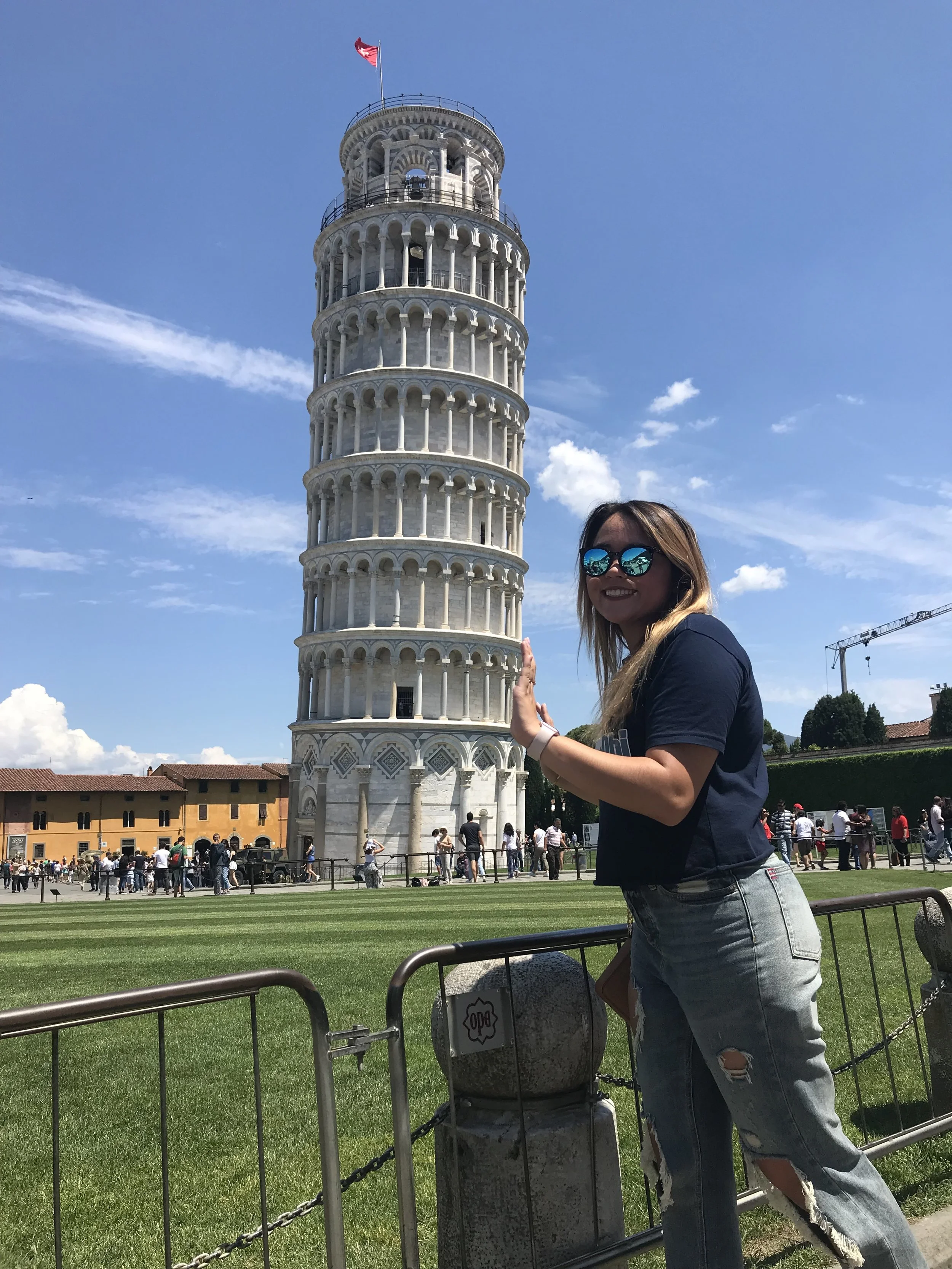
Studying abroad is a thrilling yet stressful adventure. You’ll need to secure a passport, possibly a visa, book your flights, and select the classes you’ll take in your new home for the semester. As a Type 1 diabetic (T1D), however, preparing adds an additional layer of complexity to your packing. In the summer of 2018, I had the opportunity to study in Florence, Italy, through Florida State University. This experience was undoubtedly a highlight of my college journey and ignited my passion for travel. Having studied abroad and traveled internationally several times, I’d like to share some essential tips for preparing to study abroad as a T1D.
Packing Your Supplies
While it may seem obvious, it’s crucial to assess how long you’ll be away and then add extra time. I recommend including about two weeks’ worth of supplies (pump sites, syringes, glucose meter, etc.) in addition to what you already plan to bring. Equipment can fail, and pump sites can become occluded, so having additional supplies is wise.
If you use an insulin pump (I use the Tandem T-Slim), contact your pump manufacturer to inquire about a loaner pump. This means they will provide you with an extra pump in case yours malfunctions while you’re abroad.
Alternatively, if you have a spare, functional insulin pump, consider bringing it along for backup.
Be sure to purchase an adapter to charge your pump. I have two adapters: one stays with my phone or iPad, and the other remains in my diabetes supply case.
When packing your supplies, designate your carry-on bag specifically for your diabetic needs. Luggage can go missing, and you don’t want to find yourself without essential supplies in a foreign country. Additionally, pack a small cooler with an ice pack for your insulin. As a precaution, consider asking your endocrinologist for a travel letter stating that your supplies are medically necessary.
(Side note: Don’t forget to bring something for low blood sugar, as you may be walking more than usual!)
Document Your T1D with Your Study Center
As a 28-year-old, disclosing my Type 1 diabetes can still be one of the most anxiety-inducing experiences. I’m working on overcoming this (thanks to therapy), as it’s vital for others to be informed about your T1D.
When I studied abroad, I didn’t know anyone beforehand, and I was taking courses outside my major, so I was unfamiliar with my professors. Most American universities allow T1Ds to qualify for extended exam time, which typically carries over to their overseas study centers. A good practice is to register with your college or university’s disability office to protect yourself from unforeseen issues, like your insulin pump alarming during a test or experiencing a low. This information will also be on your student record, ensuring that the study center is aware and can assist you in locating a pharmacy or doctor if needed.
Furthermore, informing your roommates and educating them on how to assist you in an emergency will help ease any anxiety.
Your Bolusing Might Not Be Perfect Initially
Don’t stress; we’ve all faced this! During my time abroad, I had a meal plan, which meant I dined out frequently. However, you might discover that the same foods that elevate your blood sugar for hours back home may have different carb counts (bring on the pasta!). Expect to go through some trial and error with your bolusing. Be ready for fluctuations in your blood sugar as you adapt to a new eating schedule—most European countries serve dinner after 7 PM—and as your body adjusts to a different time zone.
Have Fun!
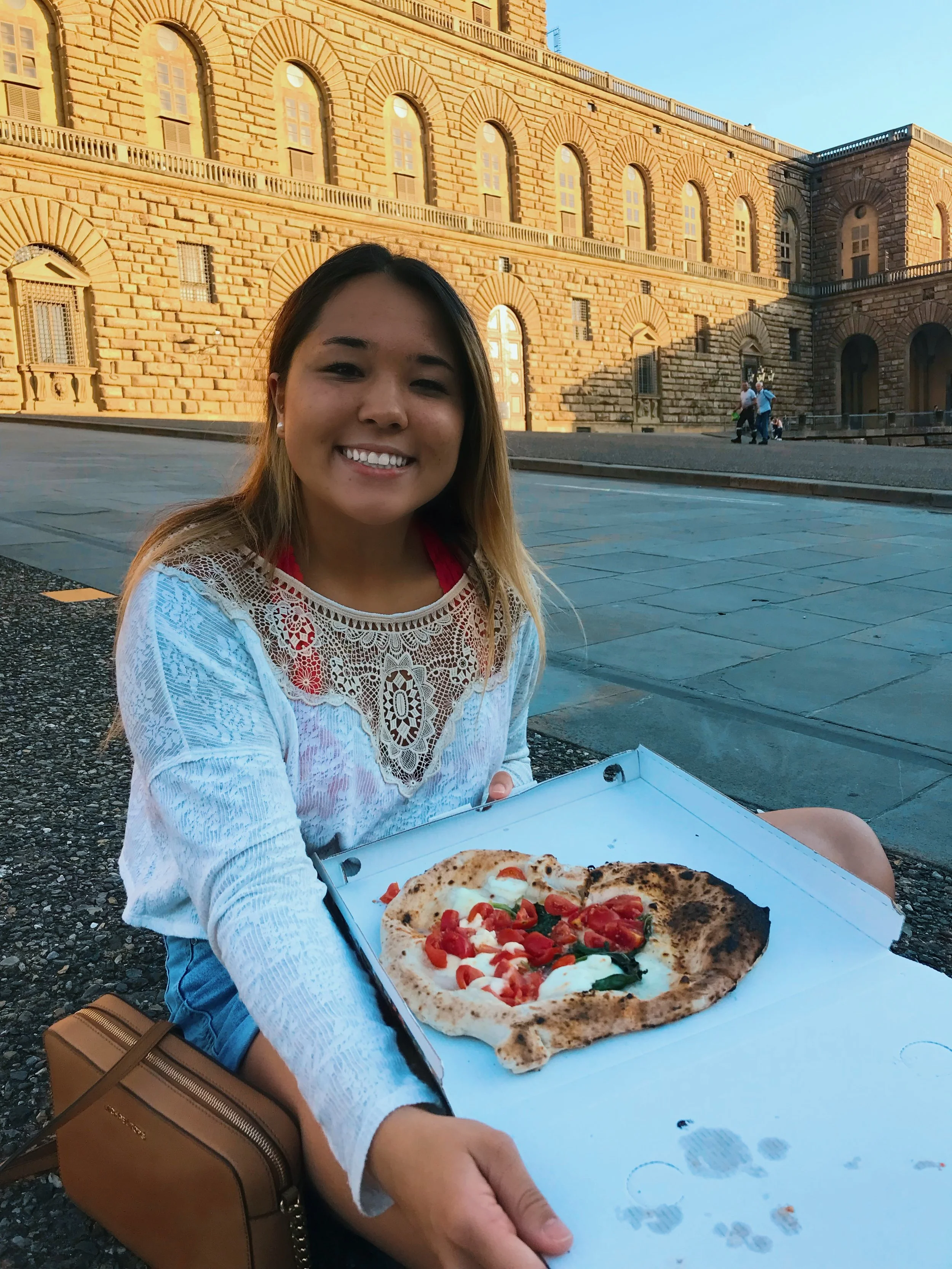
Above all, make sure to enjoy your study abroad experience! Some of my favorite memories from Florence include singing karaoke at the Red Garter and taking day trips to Cinque Terre, Venice, and Milan. Just remember to have all your supplies (and a little extra) and keep your passport handy!